Neutrogena Failed Hayden Panettiere (and women) with PR Response
Aug 22, 2026
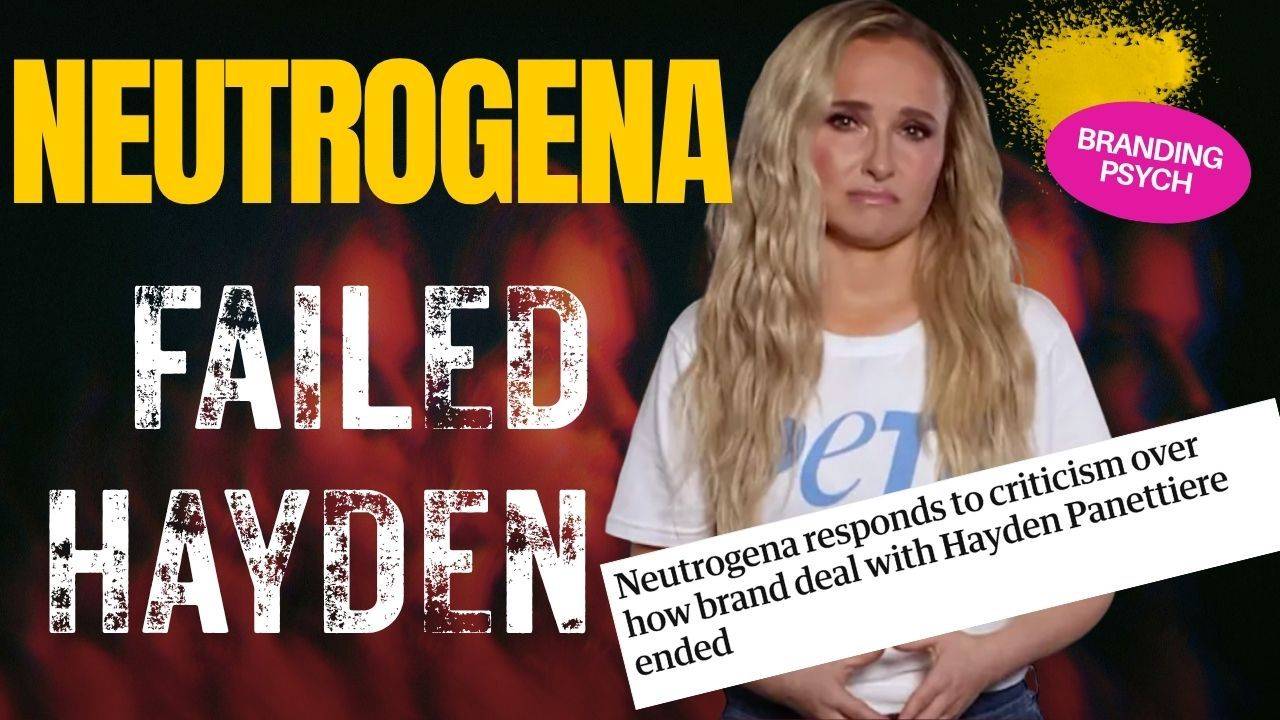
Neutrogen finally responded to the PR crisis surrounding Hayden Panettiere’s claims that they failed to renew her contract due to her speaking publicly about her postpartum depression. And, after spending over 15 years looking at branding & PR through a psychology lens, this story is one of the cleanest case studies I’ve seen in a long time for what happens when a brand’s stated identity collides with its actual behaviour.
Here’s the timeline, stripped down.
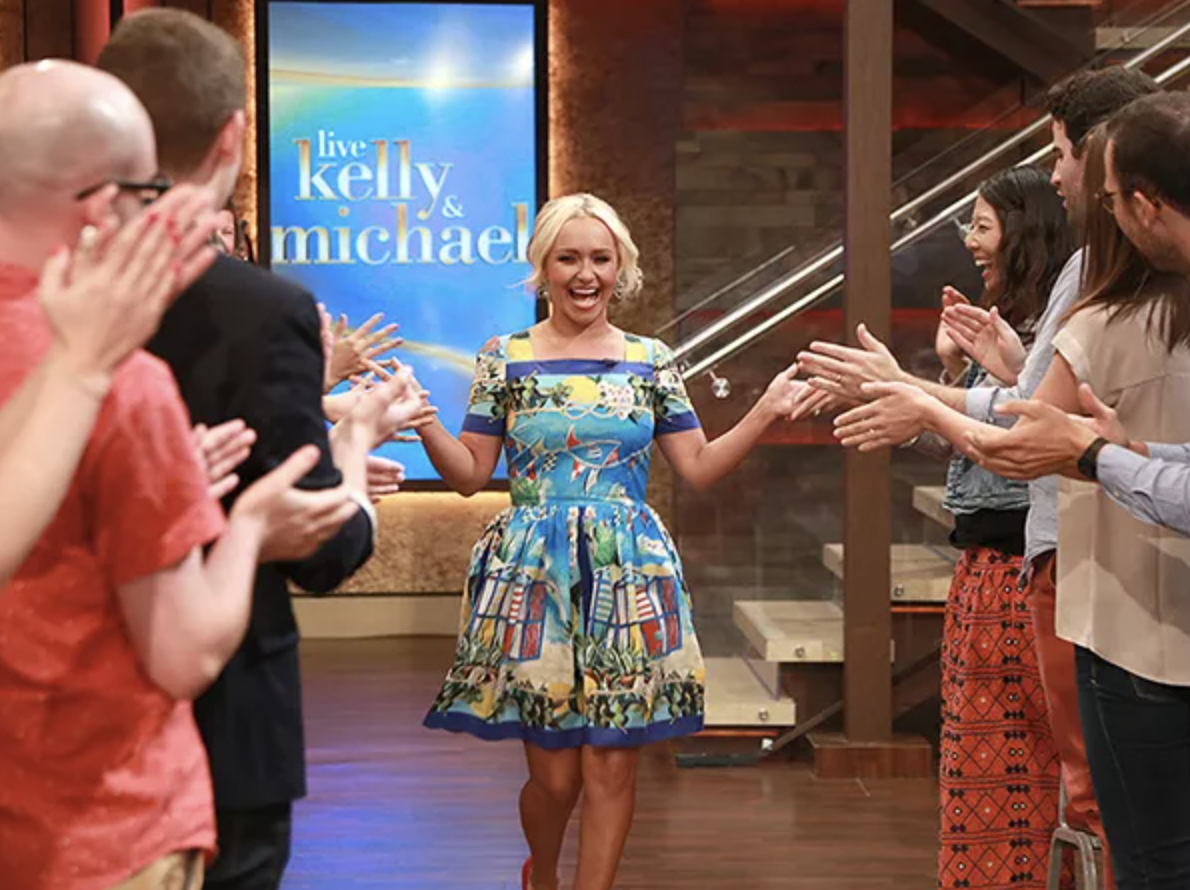
Hayden Panettiere was a Neutrogena ambassador for roughly a decade, starting in 2005. In 2015, shortly after giving birth, she talked openly about her postpartum depression on Live with Kelly and Michael. According to Panettiere, Neutrogena moved to end the relationship under the morality clause in her contract — the clause she said “caught absolutely everything.” Her rep pushed back, calling it illegal. The existing deal ran out the year, but she wasn’t renewed, and she said she never heard from anyone at the company again.
Hayden carried the pain from that betrayal in silence for eleven years. It wasn’t until this year — in her memoir and on Jay Shetty’s podcast — that she said out loud what happened after a decade with the brand. Neutrogena said nothing yet I feel it is safe to say they were talking internally within the company on how to handle this situation.
They chose quiet.
Then she died on August 16. The old clips resurfaced. The backlash built fast. And on August 20 — four days later, three months after she’d already said it publicly — Neutrogena finally spoke.
That gap is what makes this situation worse than it needed to be.
The Statement Was Built to Manage Feelings, Not Own Decisions
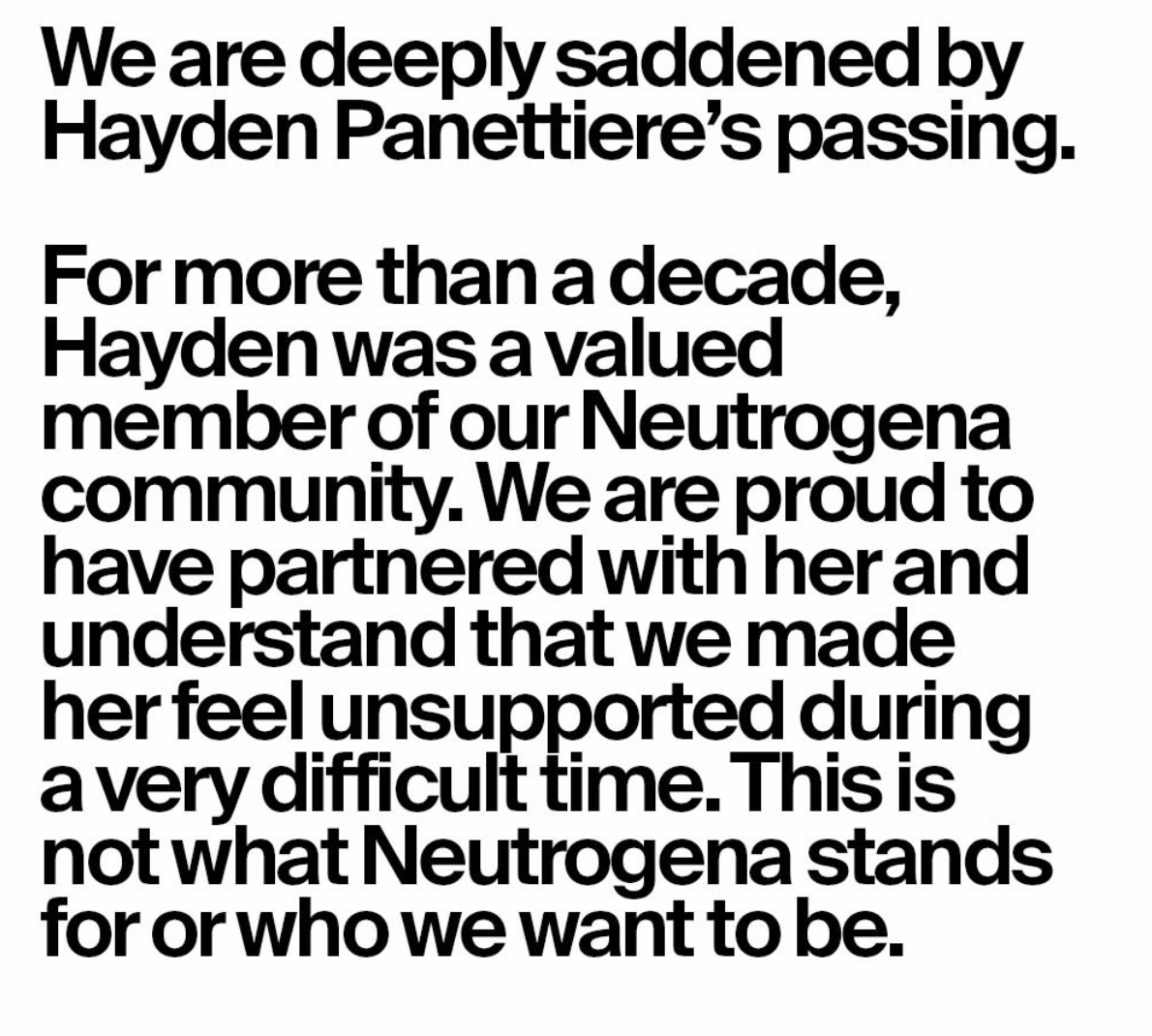
Here’s the line doing the most work in Neutrogena’s statement:
“We are proud to have partnered with her and understand that we made her feel unsupported during a very difficult time. This is not what Neutrogena stands for or who we want to be.”
Read that again slowly. “We made her feel unsupported.” Not “we failed to support her.”
That’s the difference between owning a decision and managing a perception of one. One is accountability. The other is a company describing someone’s subjective experience of their behaviour, without ever naming the behaviour itself.
And people are not fooled by this anymore. Audiences have gotten fluent in non-apology language. They can hear when a brand is talking around the thing instead of at it. Notice what’s genuinely missing here: the statement never once addresses the actual allegation — that a mental health disclosure was run through a morality clause. That’s not an accident. That omission is doing exactly what it’s designed to do.
However, let’s put media literacy aside for a second.
Let’s think about Neutrogena’s audience. Women. How many women in their lives have heard this exact non apology for their emotions.
“I’m sorry you feel that way”
“I’m sorry we made you feel that way”
The boss. The partner. The friend. The parent.
Never taking accountability and gaslighting a woman into making her emotions, over a legitimately hurtful situation, her problem.
I don’t think this could have been a worse move, short of saying “f*ck womens mental health.” I also want to bet a man wrote this PR statement, surrounded by other men, creating marketing targeting women.
But maybe I’m wrong there.
Timing Isn’t a Detail. It’s the Message.
Now, the timing.
Panettiere told this story in May. Neutrogena had months — while she was alive, while there was still here to actually repair a relationship with — to respond. They didn’t.
In fact, what a beautiful brand arch if they reached out, repaired the relationship, and partnered with her on a new campaign for women’s mental health. Hayden was no stranger to using her voice for a cause, including a PETA campaign 2 weeks before her death. I imagine she would have said yes.
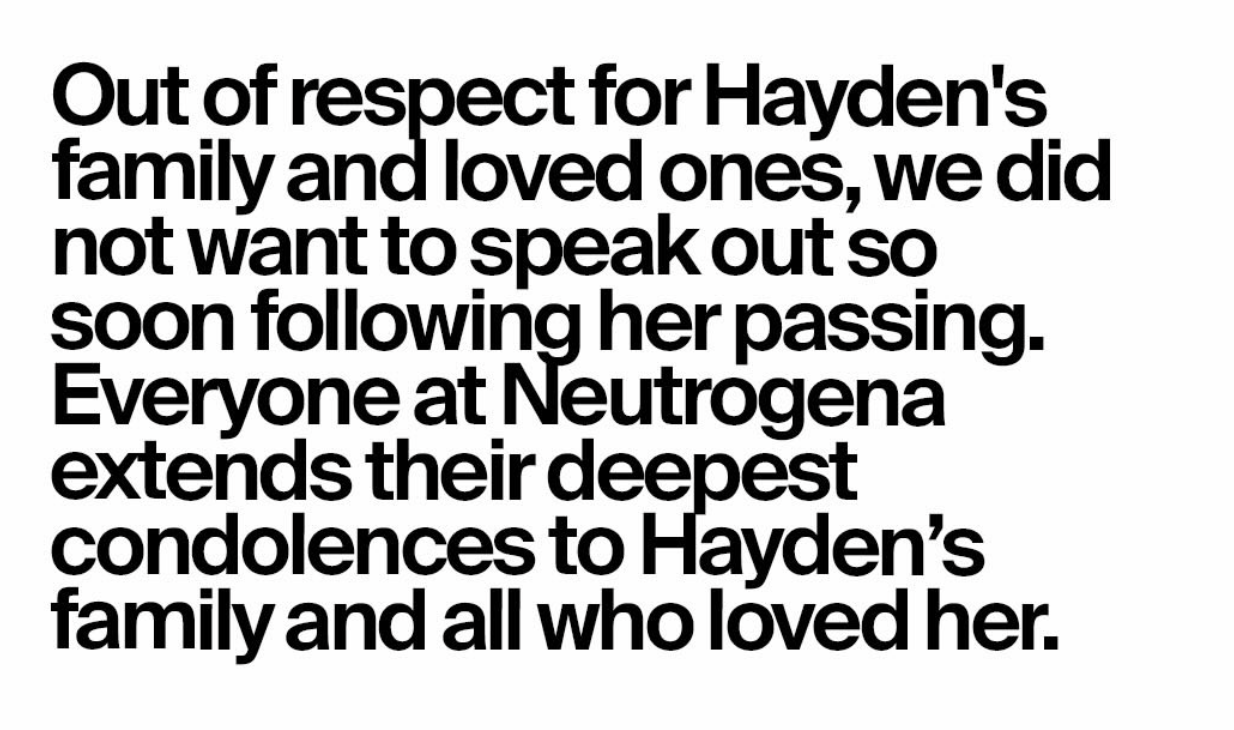
However, they spoke four days after she died, once the backlash made silence more expensive than a statement. And, most importantly I believe in that four days they were busy strategizing what to do. They claim it took so long to speak out “out of respect for Hayden’s family.” I don’t believe it. They were in a crisis room with a flying fleet of lawyers and PR people trying to figure out what to do.
And this timing changes the entire meaning of what they said. If Neutrogena had responded in May, the story could have been: a company heard that someone felt harmed by an old decision and tried to make it right. Because they waited, the story is now: a company said nothing while she was alive and only spoke once staying quiet stopped being the cheaper option.
One of those is leadership. The other is crisis management. And your audience — mine, yours, anyone’s — can tell the difference immediately, even if they can’t always articulate why.
The Deeper Problem: Brand-Value Dissonance
This is the part that actually makes this story worth studying, not just reacting to.
Neutrogena sells overwhelmingly to women, and its identity for years has lived in the territory of clean, healthy, confident womanhood. Just last month — one month before this — Neutrogena launched a new brand platform called “Break the Rules,” built around helping people move past outdated beauty standards and “define beauty on their own terms.” Their own site talks about genuine relationships, earning trust, and responsibility to the communities they serve.
So hold those two things next to each other.
The brand says, today: we believe in breaking outdated rules so people can define beauty for themselves.
And the allegation says: when a woman told the truth about her mental health, we moved to end the relationship.
Which rule was Hayden breaking? The unspoken one that says a beauty brand ambassador has to stay polished and aspirational and never let anyone see her struggle? Because if her account is accurate, telling the truth about postpartum depression was the actual violation — and it cost her a decade-long relationship.
As an aside I do want to say this about Hayden. My original career was as a mental health counsellor. It’s what sparked my interest in how psychology is used in branding, marketing, & PR. Hayden has spoken about, in 2026, how she never felt loved, protected, and safe. She also has a sensitive heart that she used to advocate for causes she is passionate about. While I did not have a personal relationship with Hayden I can nearly guarantee this: The breakdown of the relationship wasn’t just a business contract that ended. It felt like a personal betrayal yet again in her life.
I said recently to a very large company I had a horrible experience with: The fall of corporations this size will be in not seeing clients/ customers as human and investing in showing you genuinely care.
This applies to my views on Neutrogena was well.
Why This Hits Different: Neutrogena Is a Caregiver Brand
This is the piece most takes on this story are missing, and it’s the one that matters most from a psychology standpoint.
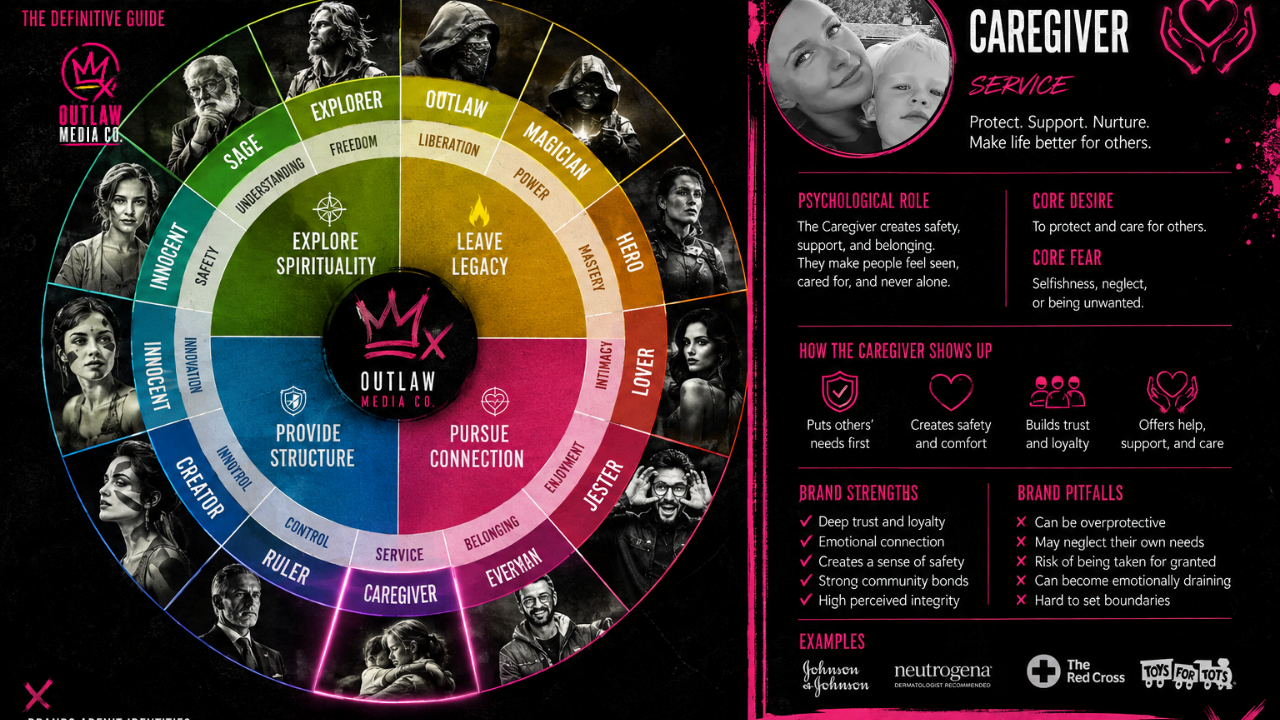
Neutrogena has always operated as a Caregiver archetype — nurturing, protective, built around the promise that this brand will take care of you. Dermatologist-backed, gentle, safe for sensitive skin. That’s not incidental marketing language; it’s the entire emotional contract the brand has asked people to sign. At the time of Hayden’s contract, Neutrogena was also under Johnson & Johnson, another brand built almost entirely on the Caregiver role.
Every archetype creates a different psychological expectation. A Rebel brand like Harley-Davidson is allowed to be reckless. A Ruler brand is allowed to be exclusive. A Caregiver brand is not allowed to abandon you when you’re struggling — that’s the one thing it explicitly promised not to do.
So when a Caregiver brand appears to have stepped back from a woman in the middle of postpartum depression — arguably one of the most vulnerable windows in a woman’s life — that’s not just a bad PR moment. It’s a violation of the specific role the brand asked its audience to trust it in. It’s personal in a way that a scandal at a Rebel or Ruler brand simply wouldn’t be.
That’s why “trust” isn’t a side conversation here. Trust is the controversy.
A morality clause is never neutral — it’s a brand publicly defining what it considers too damaging to be associated with. If Hayden’s account is accurate, a common maternal mental health condition got filed under that same heading as things a brand would consider genuinely disqualifying. The message that sends, intended or not: illness is contamination. Vulnerability is a liability. A woman being honest about her mental health after childbirth is brand-unsafe.
For a brand now telling women to define beauty on their own terms, there isn’t a worse possible association to be sitting next to.
The Donation Doesn’t Fix the Sequence Problem
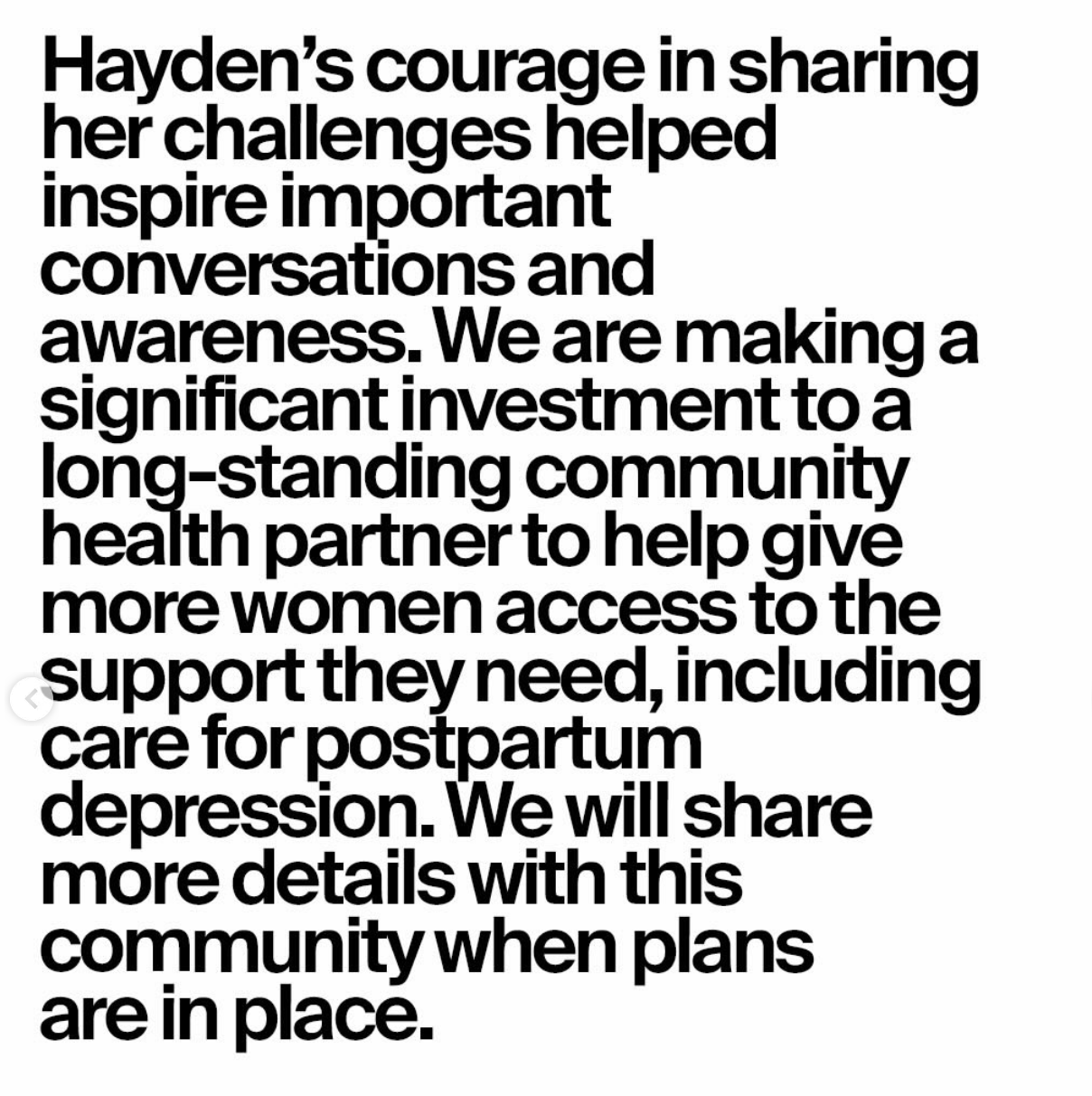
Neutrogena also announced a “significant investment” in a women’s health partner that includes postpartum depression support. That’s not nothing. Money toward real care is better than silence I suppose.
But without clear ownership of what actually happened, it lands inside a sequence people have seen a hundred times: backlash → carefully worded statement → donation. That’s an empty outdated playbook now, and audiences recognize it as one.
The sequence that actually rebuilds trust looks different: backlash → direct ownership of the decision → structural change → restitution. Something closer to: we reviewed what happened. Our treatment of Hayden didn’t meet the standard we hold ourselves to today. Mental health should never have been treated as a moral failing. We can’t change what happened, but we can own it and change what happens going forward.
Then change the internal standard. Then make the investment. Then actually say what changed.
Without that connective tissue, the donation reads as reputation management wearing the costume of repair.
The Lesson That Applies Way Beyond Neutrogena
A morality clause tells you exactly what a brand actually considers unsafe — not what they say in their values page, what they build into the contract. In this case, honesty about a mental health condition landed on the wrong side of that line, and that decision is now in direct conflict with both the brand Neutrogena claims to be in 2026 and the Caregiver role it’s asked its audience to trust it in for decades.
This is the thing I want you to actually take from this, whether you’re running a seven-figure company or building a personal brand from your kitchen table:
Your brand isn’t what you say your values are. It’s what people watch you do the moment living those values becomes inconvenient.
Clarity isn’t a font choice or a tone-of-voice guide. It’s the consistency — or lack of it — between the psychological role you’ve asked people to trust you in, and what you actually protect, reward, and abandon when it costs you something.
People don’t just buy from brands. They enter relationships with them. And they notice — even when they can’t name it — what a brand is willing to stand beside when it’s no longer easy.
So when a Caregiver brand tells the public in 2026 that it wants women to break the rules of beauty, the only question worth asking is:
Are women only allowed to break beauty rules?
Next time a brand puts out a statement under pressure, check it against three things:
Does the language own the decision or just describe someone’s feelings about it
Did they speak while it was still inconvenient, or only once silence got expensive
And is the follow-through actually connected to accountability, or is it just sitting next to the statement doing its own separate PR job?
Let me know your thoughts!
ashley
Categories
Get on the Insider List with the Friday Brief
New investigations. Narrative shifts. Insider tea.
Delivered every Friday before it goes public.
(And in case YouTube ever tries a takedown we have a way to communicate!)
Refine Your Brand. Disrupt Your Industry. Be the First to Know.
The Refinement Mastermind is coming soon—a bold, no-BS space for ethical disruptors ready to transform their brands into movements.
Sign up now to get exclusive updates AND receive my newsletter every Friday, The Disruptor Weekly, straight to your inbox—because building a movement takes strategy, guts, and a little disruption.